
The Science
Peptides: Health Benefits and Future Applications
The global peptide therapeutics market reached USD 140.9 billion in 2025 and is projected to grow at 8.7% annually through 2033. This comprehensive guide explores the clinical evidence, FDA-approved applications, and emerging research shaping the future of peptide medicine.
What Are Peptides?
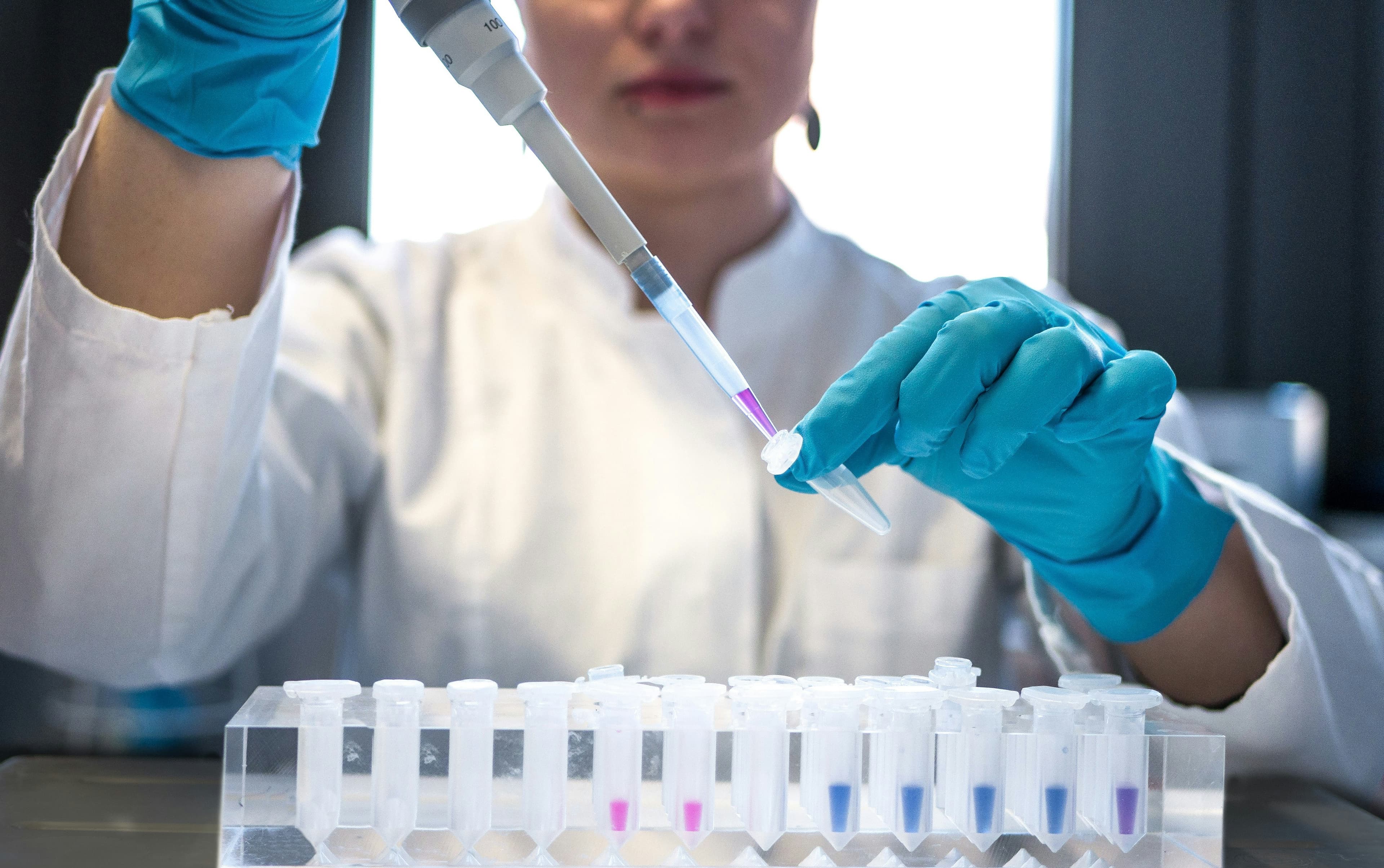
Peptides are short chains of amino acids—the building blocks of proteins—that act as signaling molecules in the body. While proteins typically contain 50 or more amino acids, peptides are smaller, generally consisting of 2 to 50 amino acids linked together. This smaller size allows peptides to be more easily absorbed and utilized by the body.
Unlike full proteins, peptides can cross cellular membranes and trigger specific biological responses. They serve as messengers that tell cells how to function, making them powerful tools in therapeutic applications. Peptide therapeutics now account for approximately 25% of the global pharmaceutical market.
Market Growth
Peptide Therapeutics: A $140.9B Industry
The peptide therapeutics market has experienced explosive growth, driven primarily by GLP-1 receptor agonists for diabetes and weight management. GLP-1 therapies alone generated approximately USD 132 billion in sales in 2025, representing a 33.5% increase from 2024.
$294.6B
Projected by 2033
8.7%
Annual growth rate
Clinical Evidence
Research-Backed Health Benefits
Muscle Growth
Collagen peptides (15g daily, 8+ weeks) significantly increase fat-free mass (SMD 0.48, p<0.01) and maximal strength when combined with resistance training.
Anti-Aging
GHK-Cu tripeptide stimulates collagen and elastin synthesis. Plasma levels decline 60% from age 20 to 60, making supplementation increasingly relevant.
Wound Healing
Tripeptides promote fibroblast migration (83-96% wound closure in 12-24 hours in vitro) and demonstrate antimicrobial activity against common pathogens.
Metabolic Health
FDA-approved tirzepatide demonstrated 15-20.9% weight loss and HbA1c reductions up to 2.4% in Phase 3 trials with over 7,700 participants.
Clinical Evidence: Muscle Growth and Body Composition
A 2024 meta-analysis published in Sports Medicine examined 19 randomized controlled trials with 768 participants. The research demonstrated that collagen peptide supplementation (15g daily for 8 or more weeks) combined with resistance training produces measurable improvements across multiple parameters:
| Benefit | Effect Size (SMD) | Significance |
|---|---|---|
| Fat-free mass increase | 0.48 | p<0.01 |
| Muscle architecture | 0.39 | p<0.01 |
| Maximal strength | 0.19 | p<0.01 |
FDA-Approved Peptide Therapeutics
The FDA approved 2 peptides in 2024 and 1 peptide in 2025 as part of its novel drug approval process. These peptide drugs represent some of the most important therapeutic advances in modern medicine:
Semaglutide (Ozempic/Wegovy)
GLP-1 receptor agonist approved for type 2 diabetes and chronic weight management. Part of the USD 132 billion GLP-1 market in 2025.
Tirzepatide (Mounjaro/Zepbound)
Dual GIP/GLP-1 agonist showing superior efficacy: 15-20.9% weight loss and HbA1c reductions up to 2.4% at 72 weeks in trials with over 7,700 participants.
Tesamorelin (Egrifta)
Growth hormone-releasing hormone analog for HIV-associated lipodystrophy, reducing excess abdominal fat.
Insulin Analogs
Modified insulin peptides offering improved pharmacokinetic profiles for diabetes management, including rapid-acting and long-acting formulations.
Research library
Explore peptide research guides
Read evidence-led overviews of the compounds in our research catalogue.
The Future
Emerging Research and Applications
Peptide therapeutics are at the forefront of biomedical innovation, with breakthrough applications emerging across multiple fields.
Drug Delivery Platforms
Peptide-functionalized nanoparticles (gold, polymeric, liposomes) enhance therapeutic delivery across biological barriers. Cell-penetrating peptides overcome challenges in oral delivery and tissue targeting.
Tissue Engineering
Self-assembling peptide hydrogels create nanoengineered scaffolds for wound healing. PLGA nanocarriers deliver peptides for antimicrobial therapy and tissue regeneration.
AI-Driven Design
AlphaFold and RosettaFold accelerate peptide therapeutic design. AI-aided peptide-drug conjugates increase local drug concentrations while reducing toxicity.
Precision Oncology
Peptide-drug conjugates deliver chemotherapy with reduced off-target effects. Applications in cancer immunotherapy target specific tumor markers.
Peptide Vaccines
Next-generation vaccine platforms use peptide antigens for targeted immune activation with reduced adverse effects compared to traditional vaccines.
Regenerative Medicine
TriHex formulations eliminate damaged collagen and elastin while promoting synthesis of new extracellular matrix components for tissue repair.
Ready to Explore Peptide Research?
Browse our collection of research-grade peptides, selected for controlled laboratory research and presented with transparent supporting documentation.
Sources
Peptide Therapeutics Market Size & Share Report 2026-2033 - Grand View Research, 2026
Impact of Collagen Peptide Supplementation - Sports Medicine Meta-Analysis - PMC, July 2024
Therapeutic peptides in gerontology - Frontiers in Aging, April 2026
2025 FDA TIDES (Peptides and Oligonucleotides) Harvest - MDPI Pharmaceuticals, 2025
Exploring the Role of Tripeptides in Wound Healing - PMC, 2025
GLP-1 drugs to drive growth in obesity and diabetes treatment - Managed Healthcare Executive, 2026